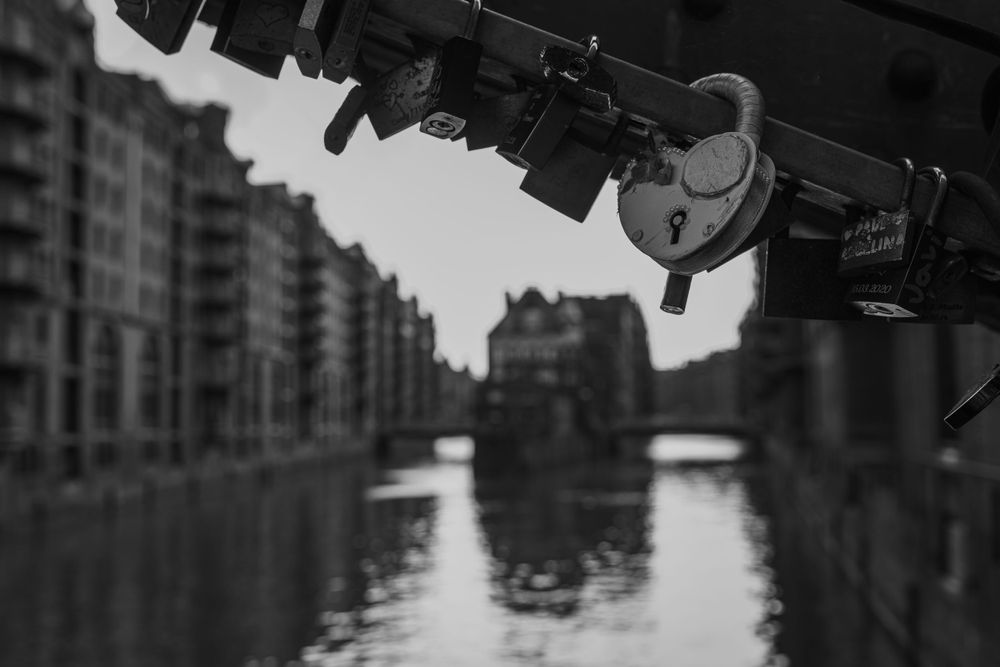
Hamburg
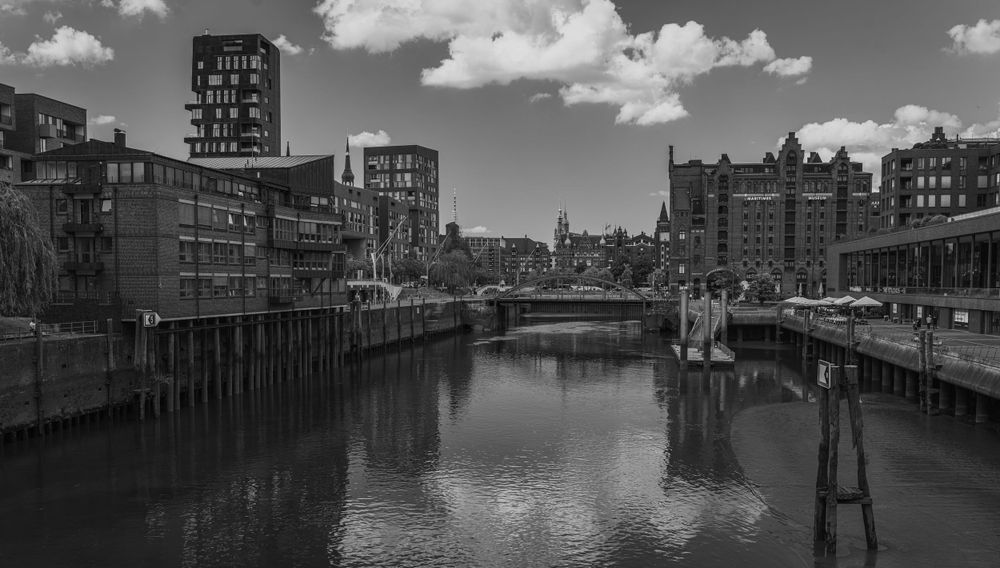
Ever wonder what Portland, Oregon would be like if it was older, spoke German, and didn't suck now? Meet Hamburg, a port city on the Elbe that is tucked about 60-70 miles inland and serves as the second largest commercial port in Europe. Words like 'harmonious' are often used to describe such a place and while it may seem like use of the term without proper understanding of its definition to associate with a center of industry, I can assure you it's quite accurate. The architecture old and new don't clash but, rather blend together. The 1.84 million residents who call it home don't avoid the shipping port as an irritant or oppose it as a polluting detractor from the city. Instead they embrace it wholeheartedly as an identity and even a community tourist attraction and gathering point where you'll find that some even take the water ferry just for the sake of the ride. There is a sense of tameness to this town with a plentiful amount of folk with places to be but, no hurry to get there.
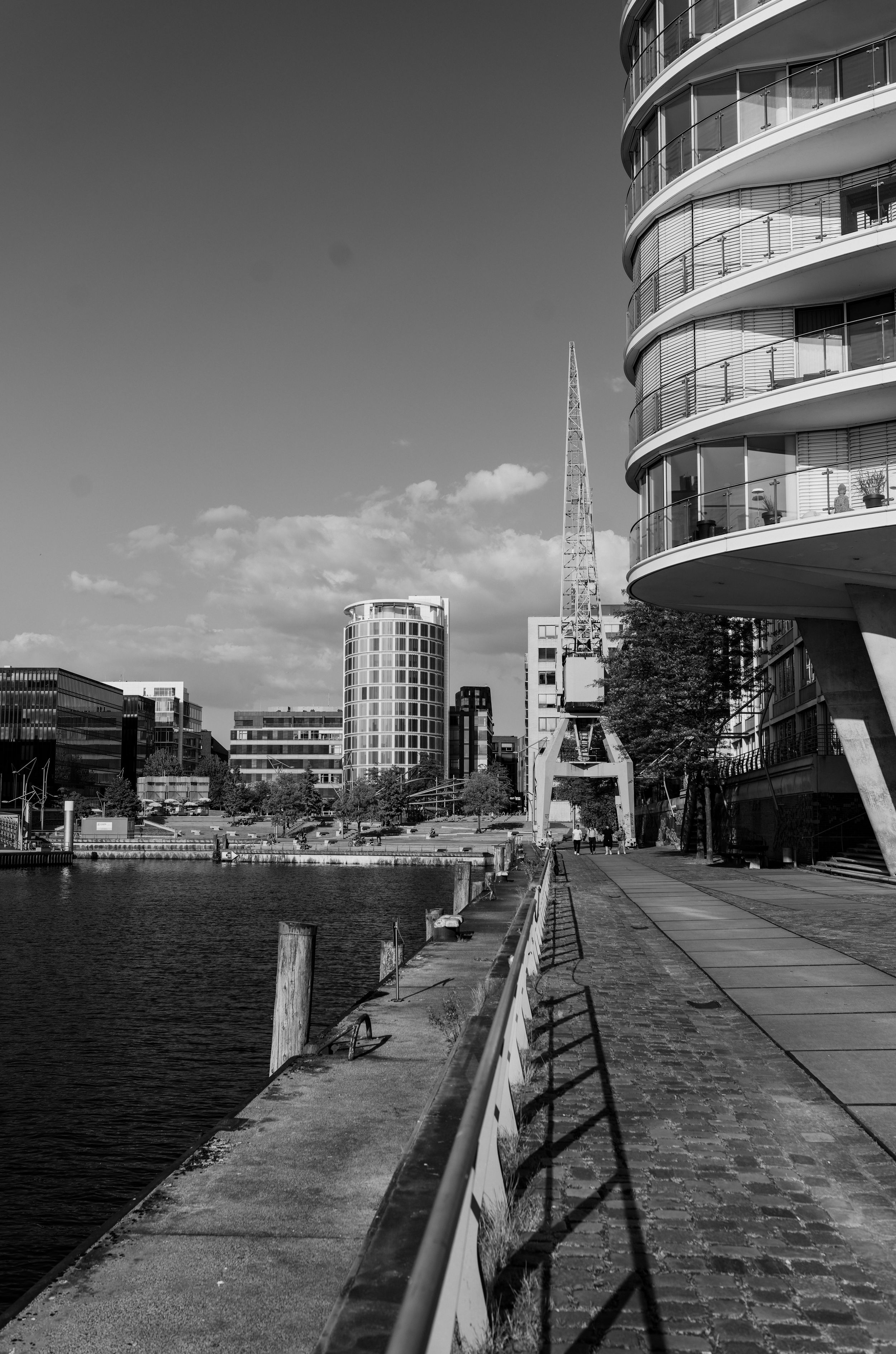

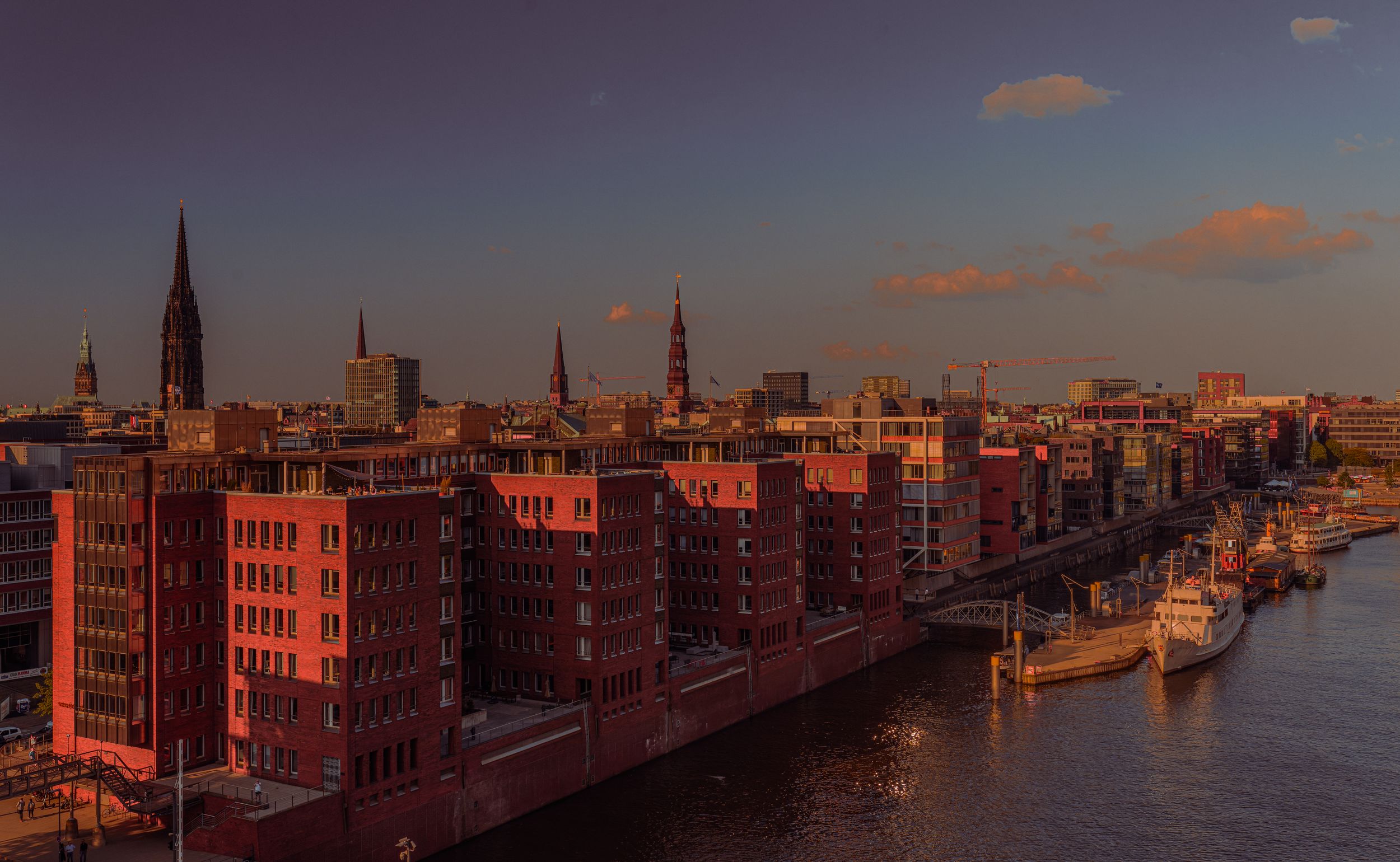


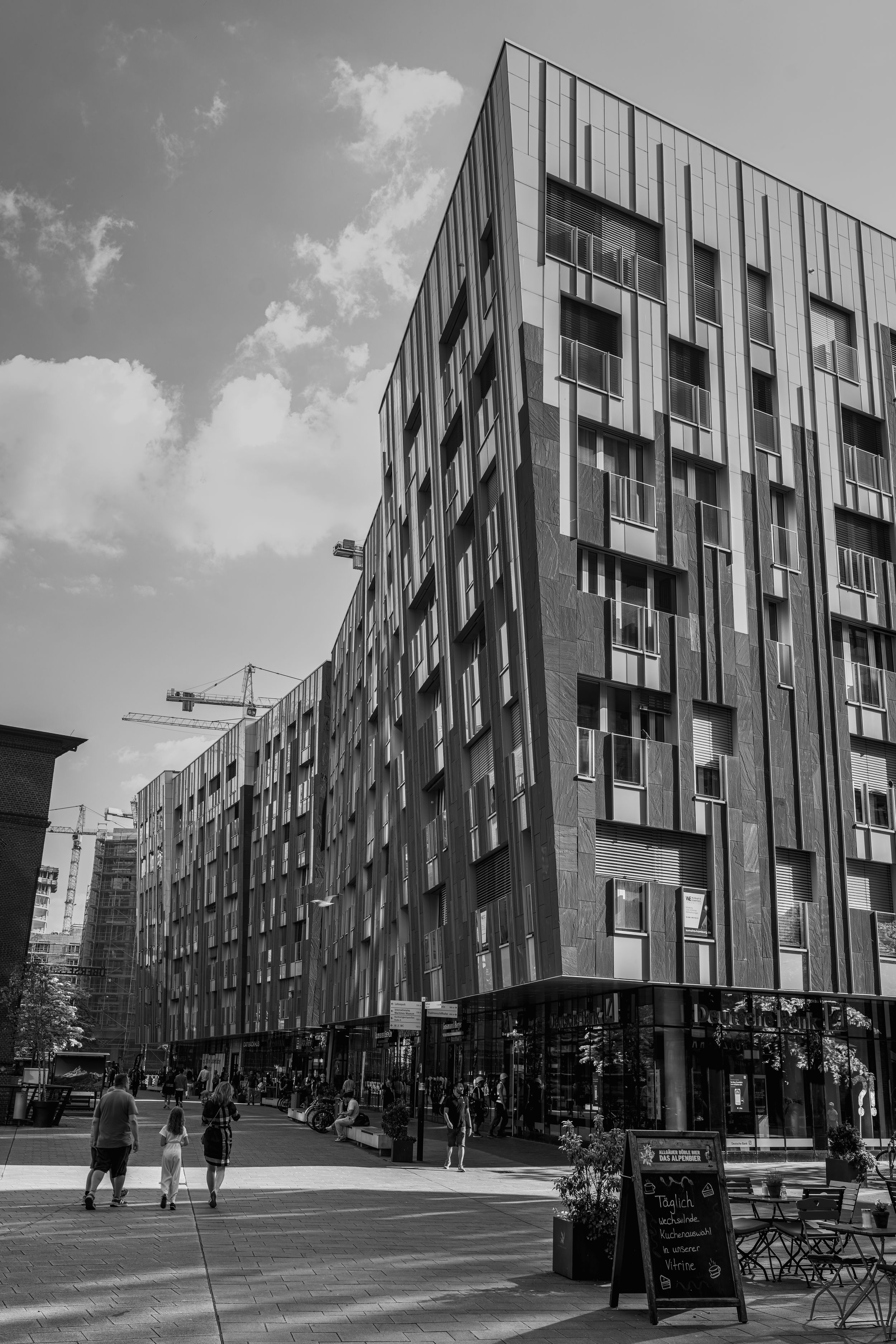
harmony in many forms
Reliable and Ready
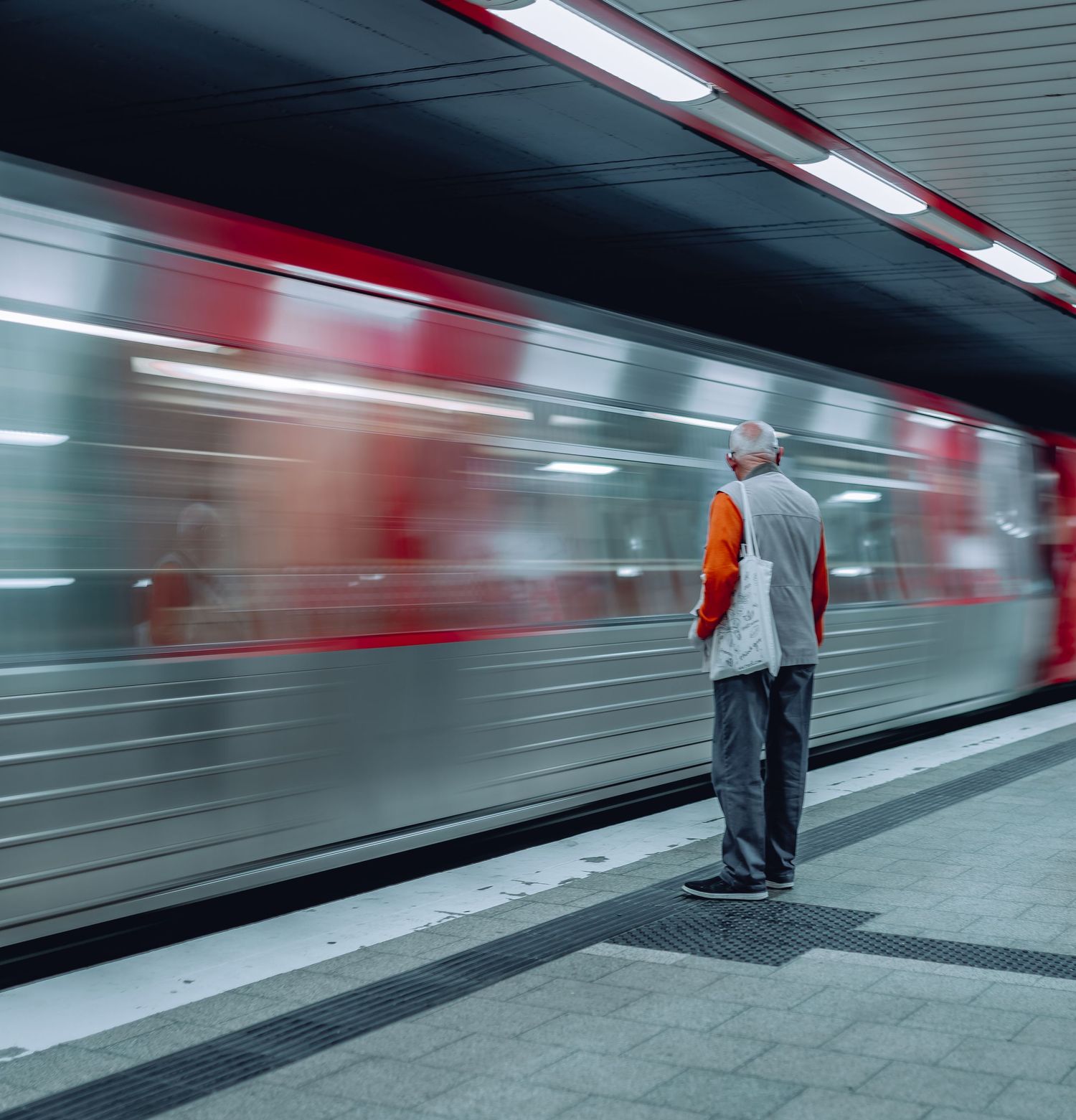
The U-Bahn Will Get You There
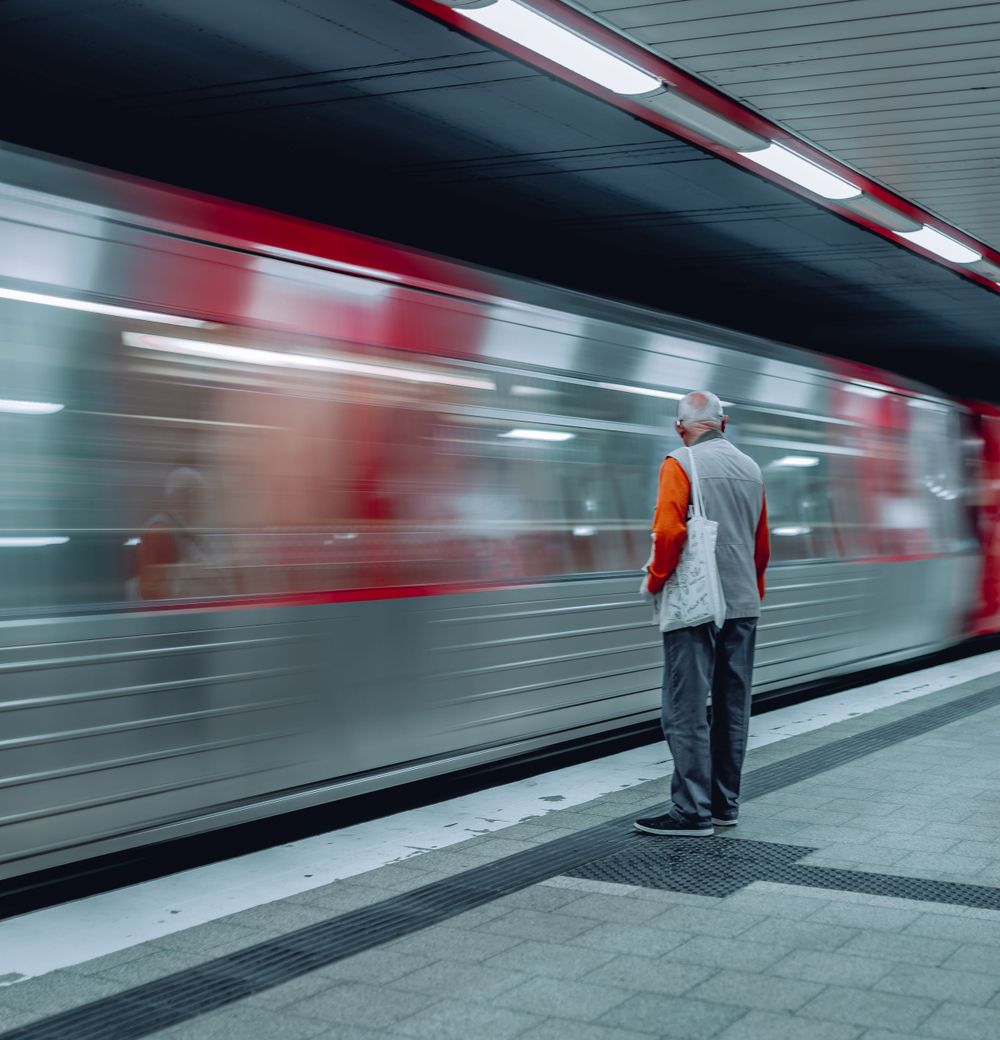
Hamburg's 'U-Bahn' rail system which is ironically a misnomer being that a lot of lines are not in fact subterranean, is a metro transit for plenty, linking all sectors of the city with precision Chicago's 'L', Boston's 'T', and others could learn from
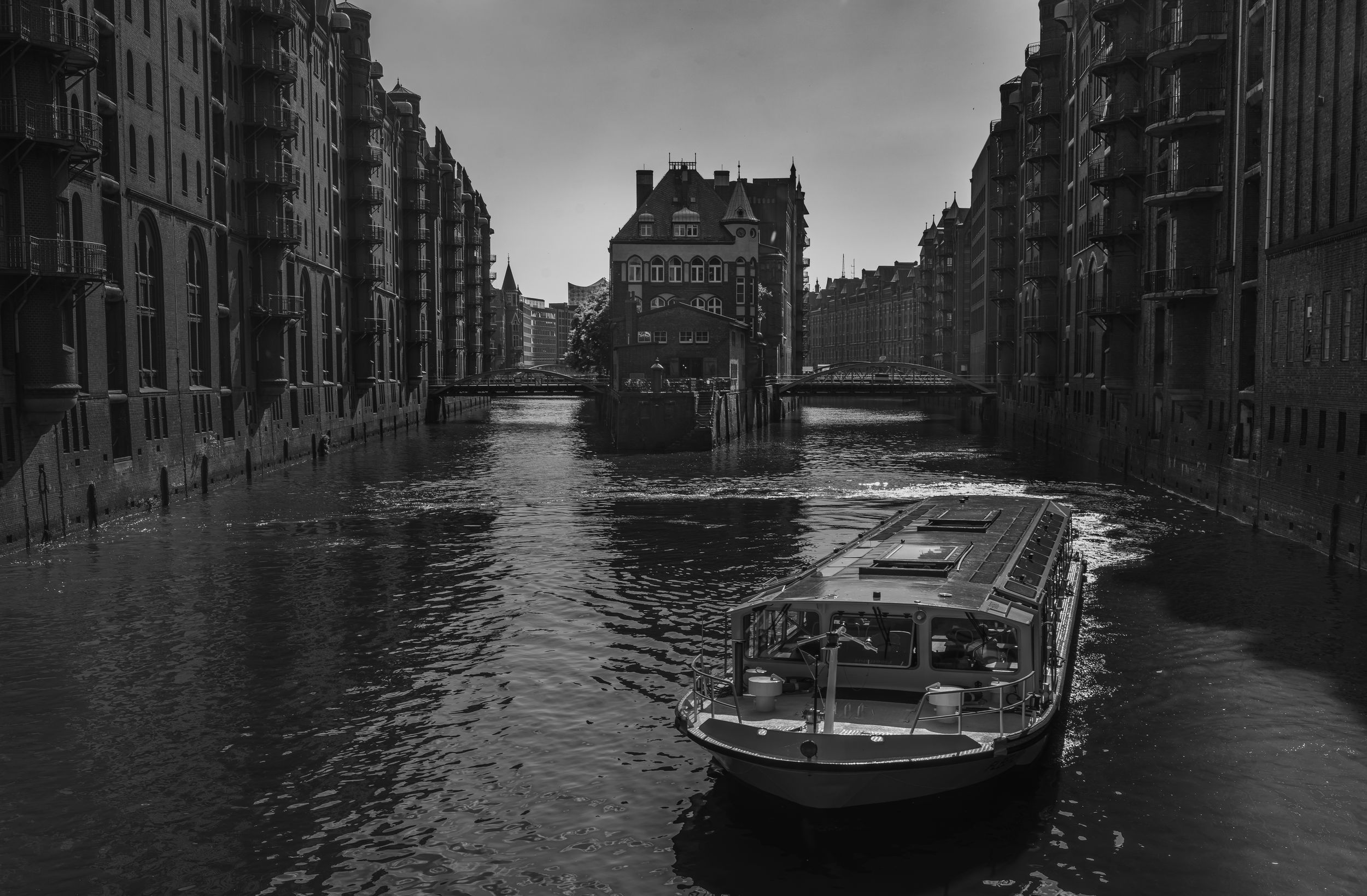
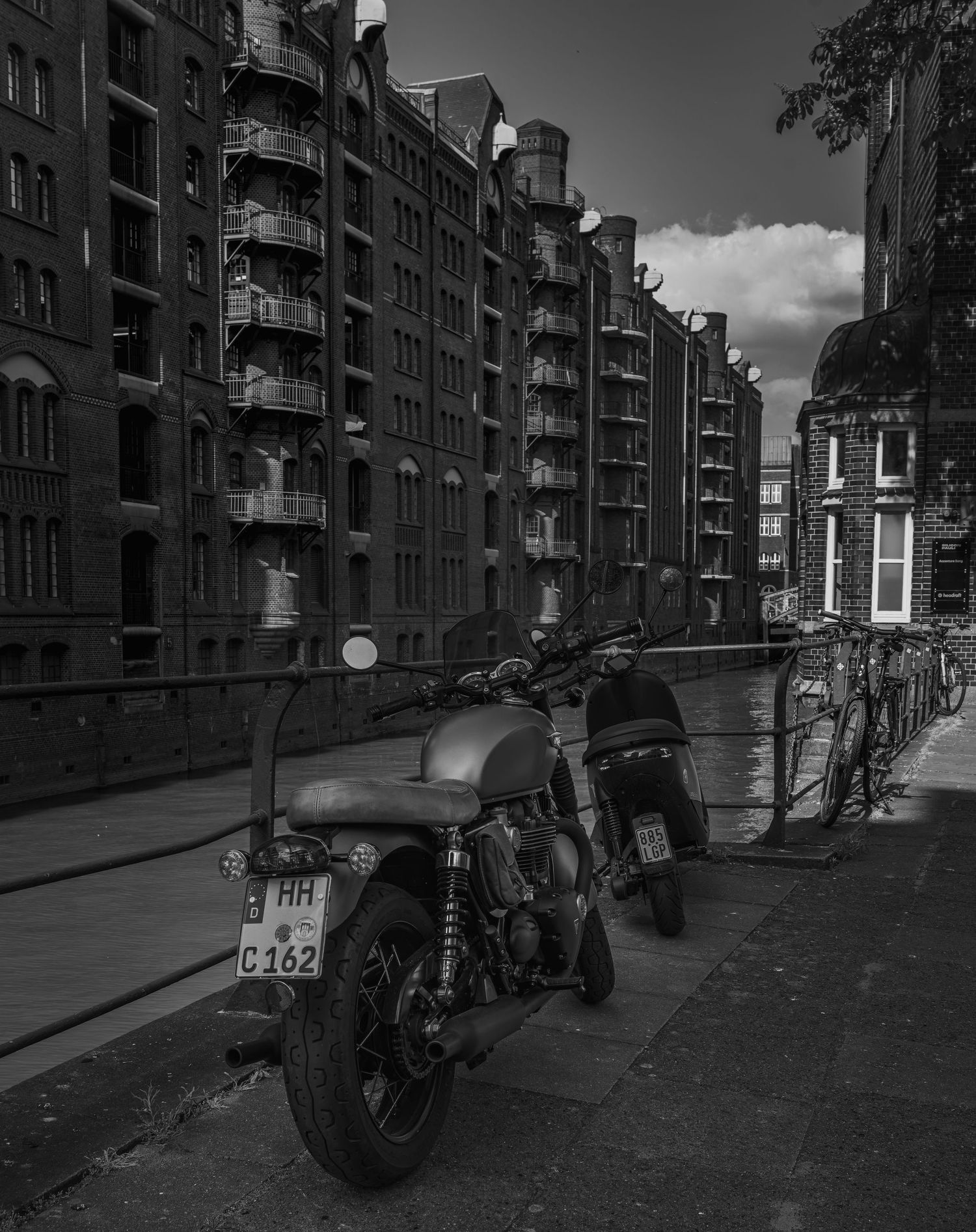
Speicherstadt
Warehouses But..Not Warehouses
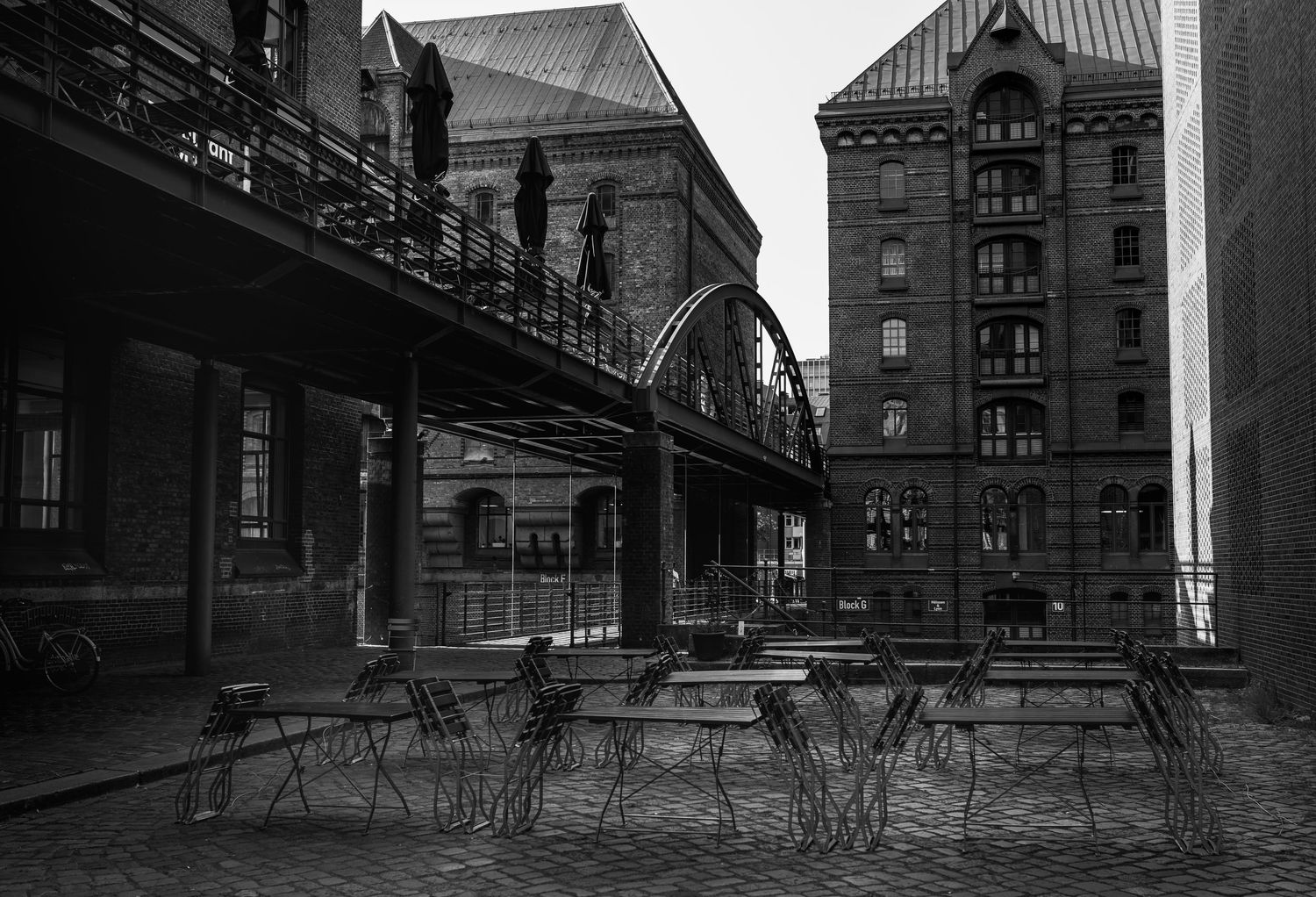
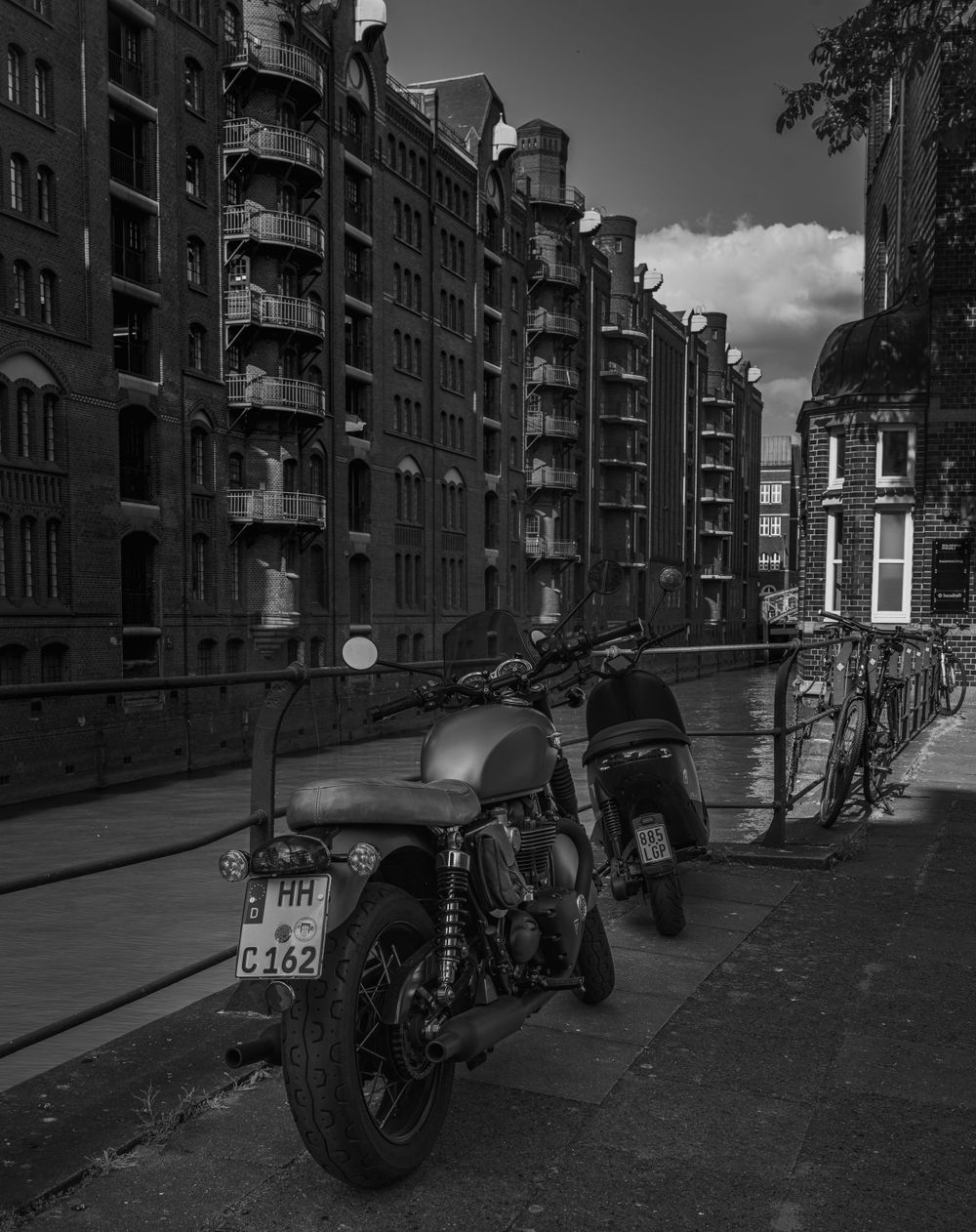
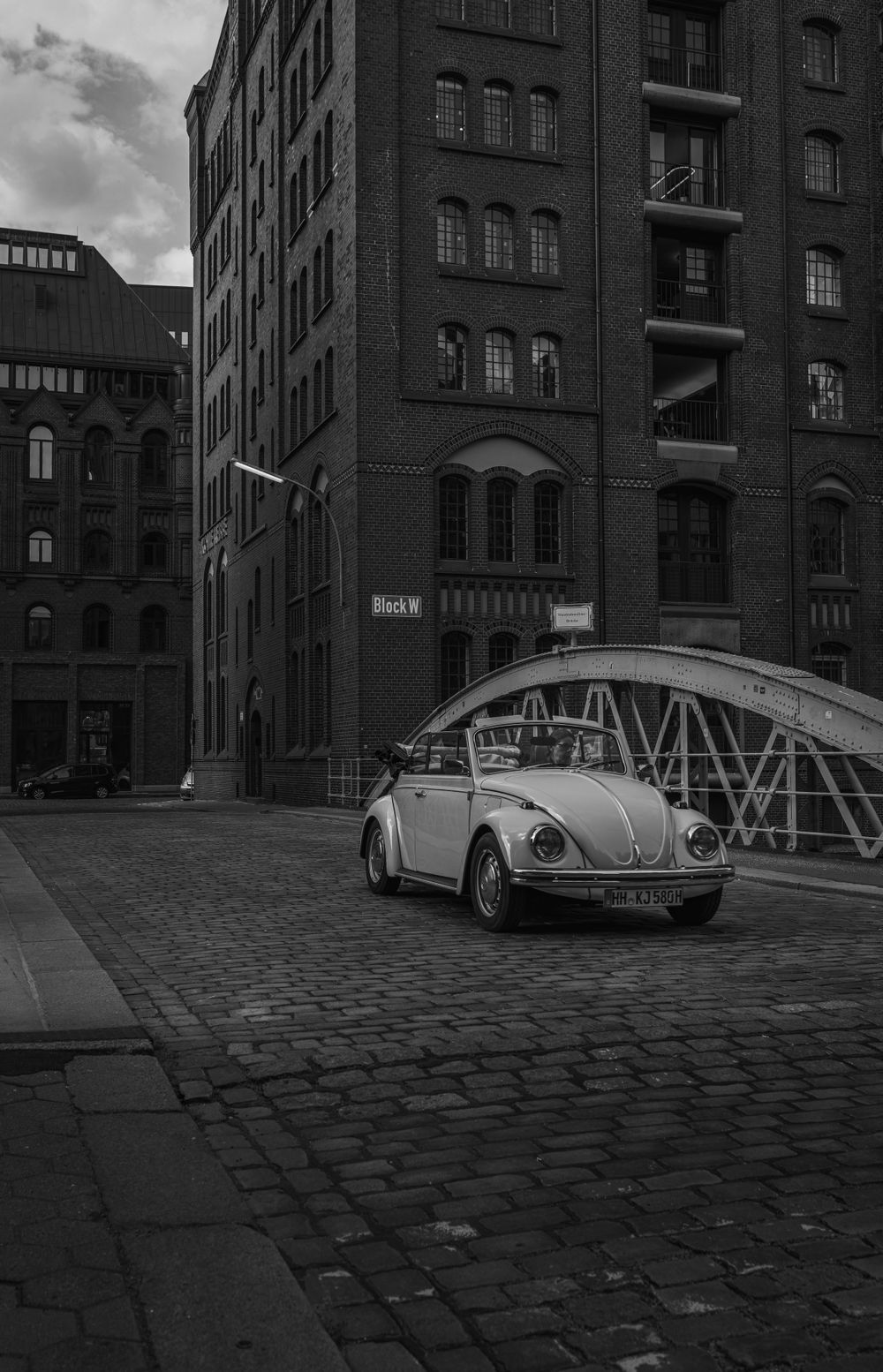
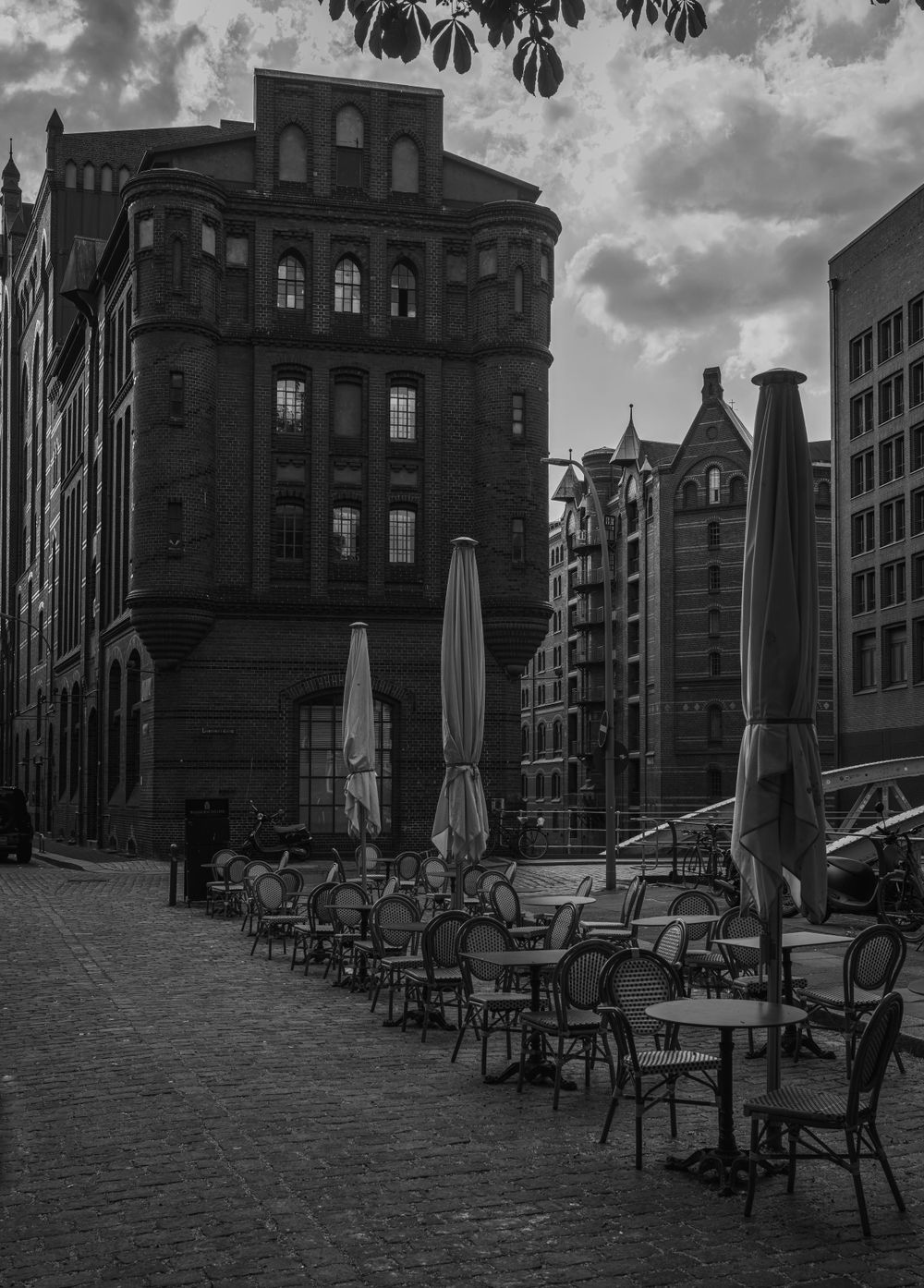
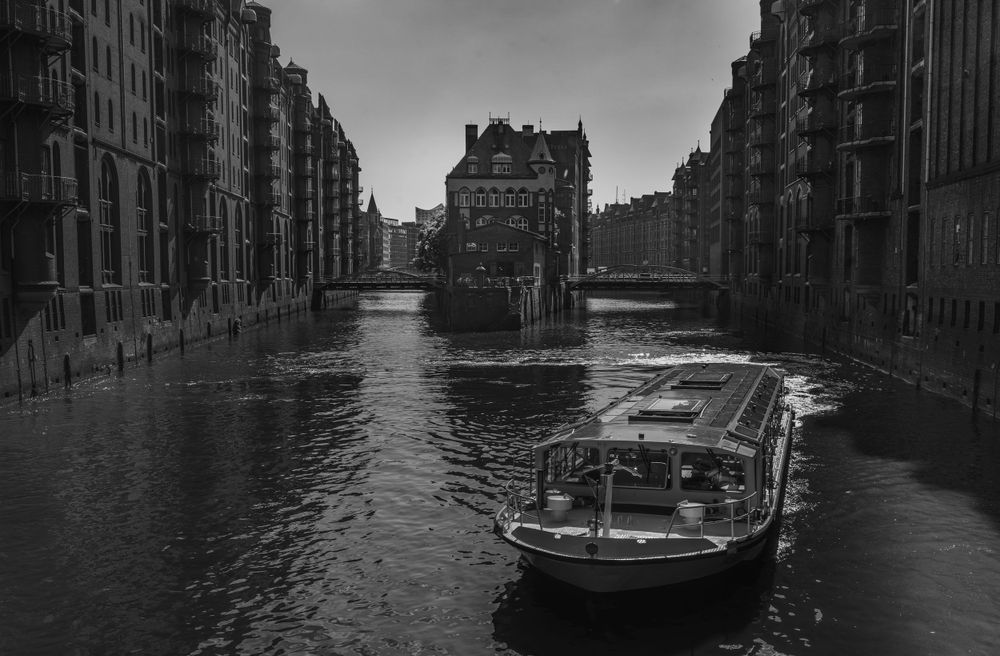
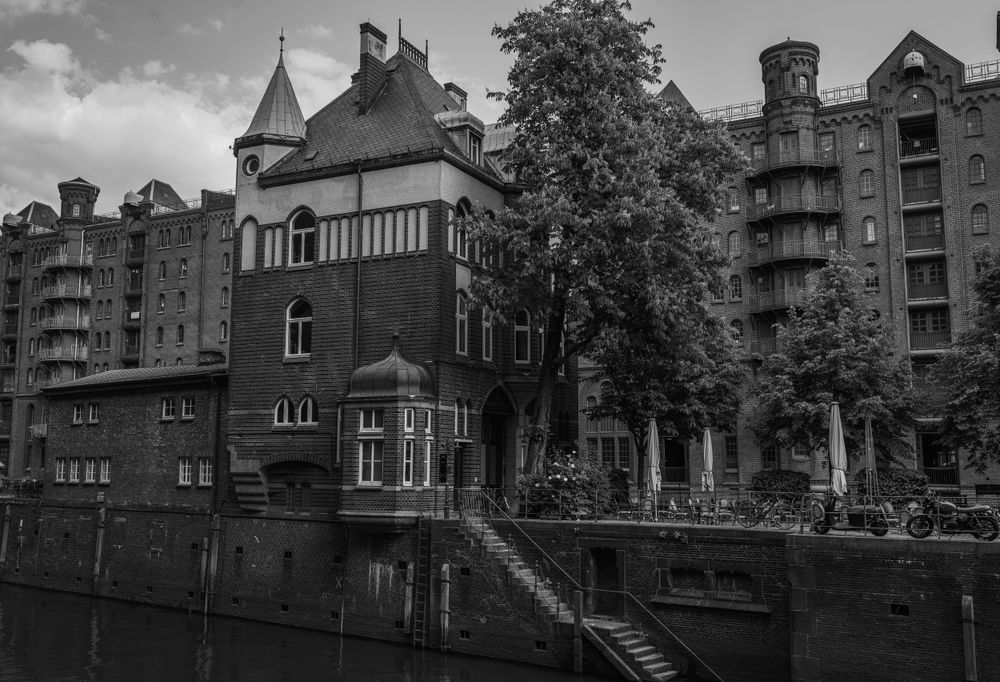
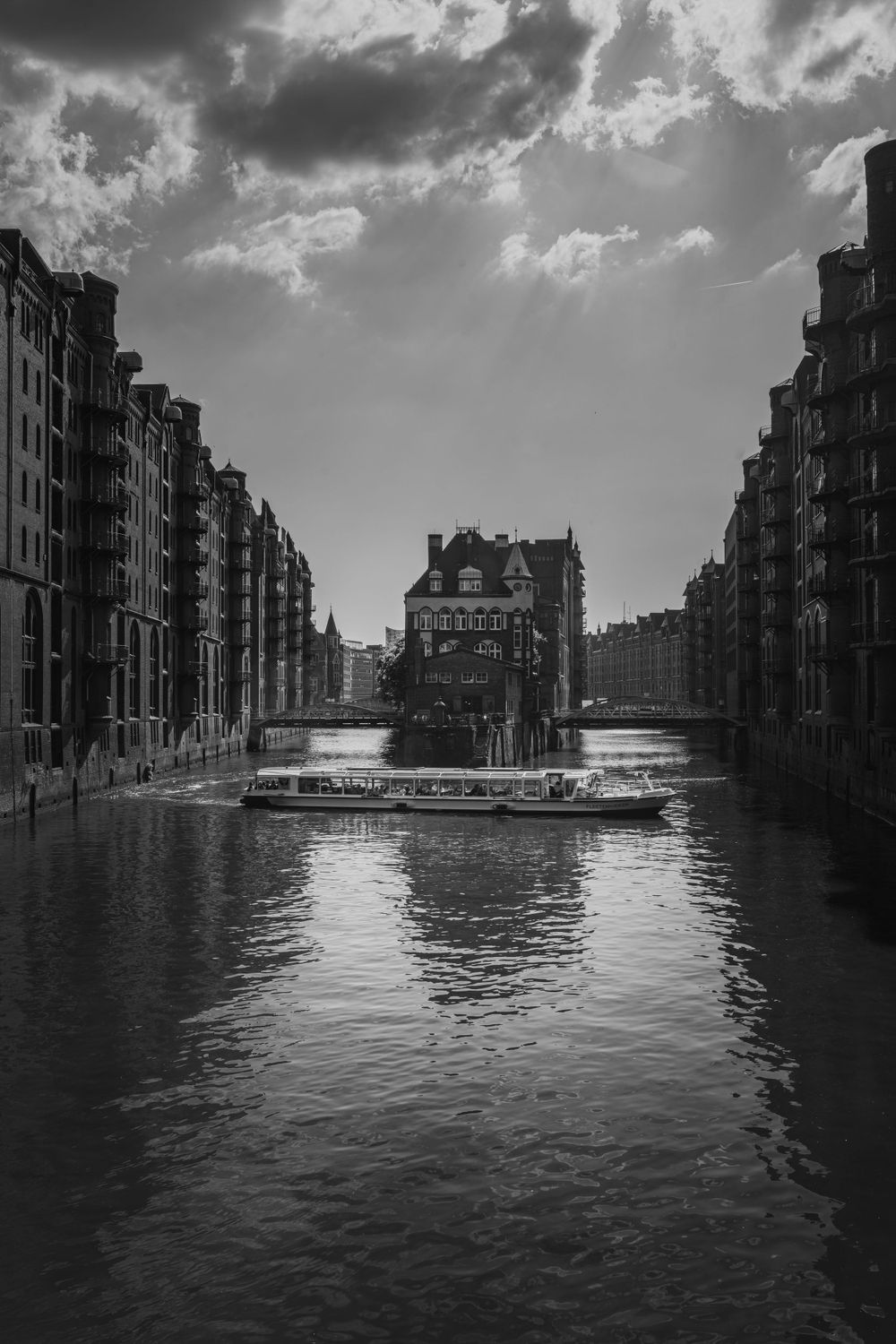
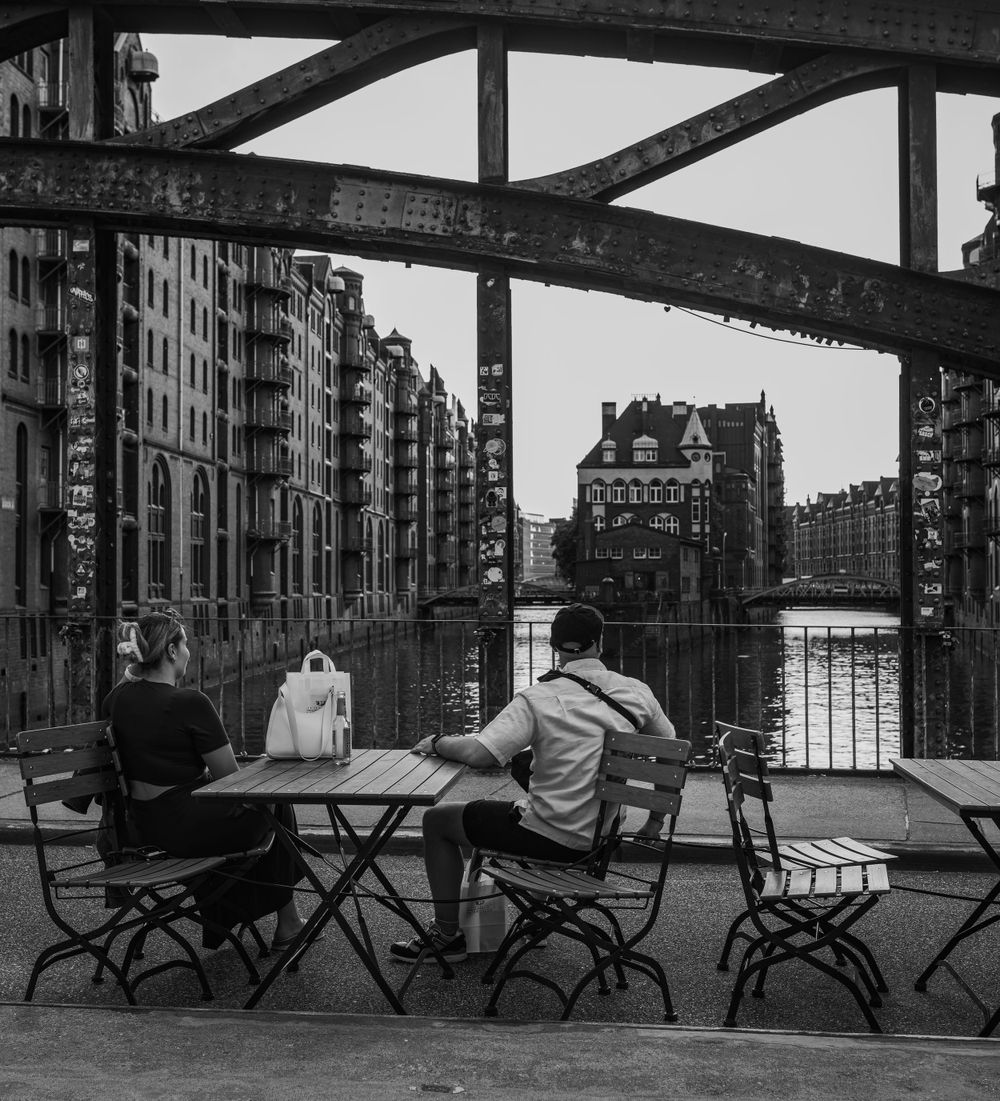
The world's largest warehouse districts is a testament to the engineering of old & an exercise in all things brick. These repetitive rows of towering structures along the canal sit atop piles of Oak logs and now house marketing directors instead of spices
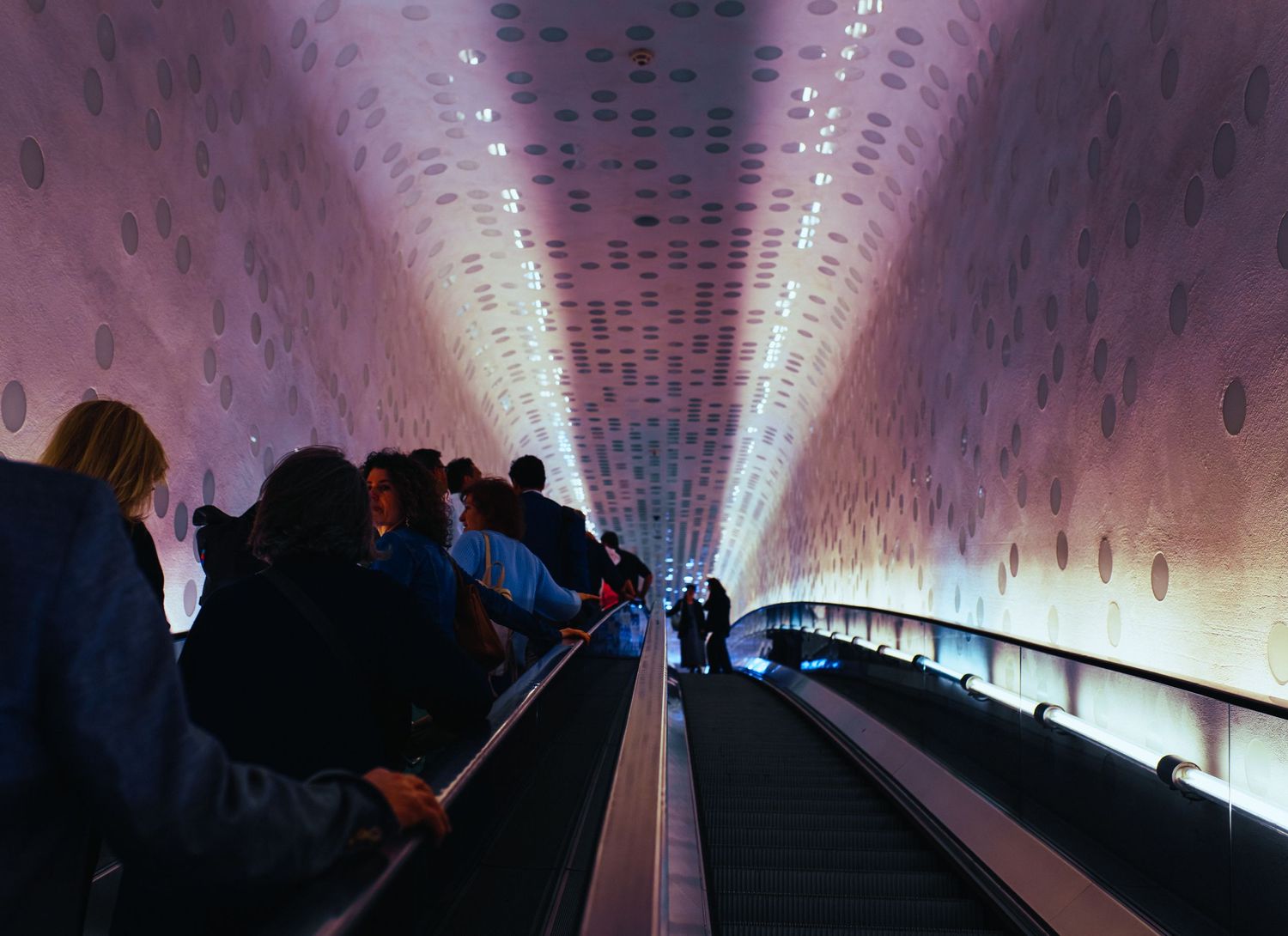
The Crown Jewel
Concert Hall Perfection
Want to know what it feels like to be inside a speaker designed by some Swiss watch makers who got high and said "let's make a building" ? Okay not really but, Elbphilharmonie is a masterclass in Swiss architectural design and acoustic engineering
Sunday Shift? Never Heard of Her
What A Day Off Really Looks Like
Pass through or fly in on Sunday and you won't find much in the way of businesses or people in them to greet you. That's because it's a cultural custom to spend Sundays resting, one of the few blurred lines between church and state everyone can agree on.